
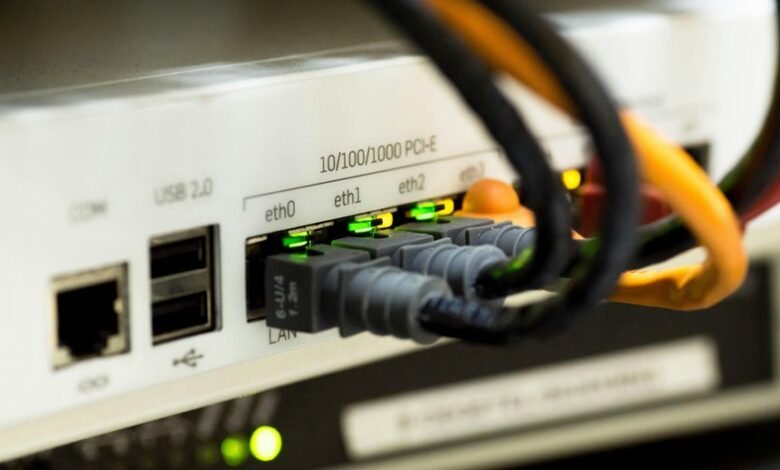
Advanced Internet Infrastructure 911190222 represents a critical evolution in connectivity systems. It prioritizes stability and resilience to accommodate the growing demand for high-speed data transmission. Key technologies, such as edge computing and network virtualization, play a pivotal role in this enhancement. However, the effectiveness of these systems hinges on strategic implementations and ongoing innovations. What specific strategies will ensure that this infrastructure can withstand future challenges?
Understanding Advanced Internet Infrastructure 911190222
As the demand for reliable and high-speed connectivity continues to escalate, understanding advanced internet infrastructure becomes paramount.
Network architecture plays a crucial role in optimizing data transmission, ensuring efficient flow and minimal latency.
Key Technologies Driving Stability in Connectivity
The stability of connectivity in advanced internet infrastructure is significantly influenced by a range of key technologies.
Edge computing enhances processing efficiency by minimizing latency, allowing data to be processed closer to the source.
Concurrently, network virtualization enables dynamic resource allocation and optimized network management, fostering flexibility and adaptability.
Together, these technologies ensure robust connectivity, essential for maintaining the integrity and performance of internet services.
Strategies for Enhancing Internet Resilience and Security
While vulnerabilities in internet infrastructure can lead to significant disruptions, implementing strategic measures to enhance resilience and security is imperative.
Employing network redundancy ensures alternative pathways for data transmission, minimizing downtime during failures.
Additionally, robust cyber threat mitigation strategies, including regular security audits and advanced firewalls, are essential in preemptively addressing potential attacks, thereby safeguarding the integrity and reliability of online communications.
The Future of Internet Infrastructure: Trends and Predictions
How will emerging technologies shape the future of internet infrastructure?
The integration of cloud computing and edge networking will redefine data management and accessibility.
Enhanced latency reduction through edge computing will facilitate real-time applications, while cloud solutions will offer scalable resources.
These trends promise to foster a decentralized, resilient framework, empowering users with greater autonomy and adaptability in an increasingly interconnected digital landscape.
Conclusion
In conclusion, the Advanced Internet Infrastructure 911190222 stands as a beacon of stability in an increasingly digital landscape. By harnessing cutting-edge technologies and implementing strategic security measures, it not only meets current demands but also anticipates future challenges. Like a well-tuned machine, its components work in harmony to create a resilient framework, ensuring that the flow of information remains uninterrupted. As we advance further into an interconnected era, the importance of such robust systems cannot be overstated.


